Paddock Watching 101: What Your Eyes Can Tell You That Data Can't
Paddock Watching 101: What Your Eyes Can Tell You That Data Can't
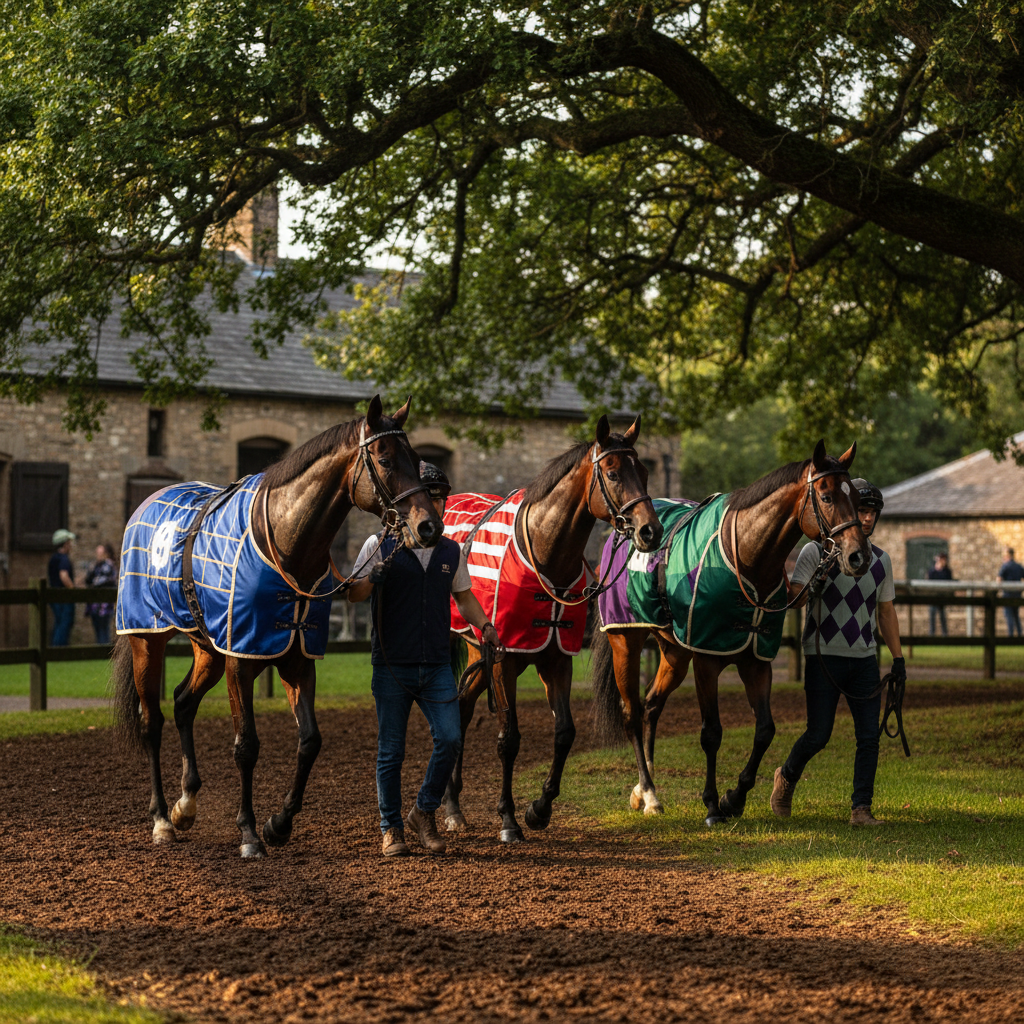
In the age of data analytics and AI-powered handicapping, there's one tool that remains irreplaceable: your own eyes. The paddock — where horses are saddled and paraded before each race — is a goldmine of information that no spreadsheet can capture.
Why the Paddock Matters
A horse might have the best speed figures, the top trainer, and the ideal post position. But if it walks into the paddock drenched in sweat, fighting its handler, and wasting energy before the race even starts, those numbers mean nothing.
Conversely, a longshot that looks like a million dollars in the paddock — calm, muscled up, coat gleaming — might be ready to run the race of its life.
What to Look For: Positive Signs
Physical Appearance
- Shiny, dappled coat: Indicates good health and peak fitness
- Muscular definition: Look for a well-defined hindquarter — that's the engine
- Bright, alert eyes: The horse is engaged and ready to compete
- Pricked ears: Shows alertness and interest in surroundings
Movement
- Fluid, easy stride: The horse moves smoothly with no stiffness
- Light on the feet: Bouncy steps suggest energy and willingness
- Relaxed walk: Calm but purposeful, not lazy or sluggish
Demeanor
- Calm but alert: The ideal state — conserving energy while staying focused
- Following the handler easily: Shows cooperation and willingness
What to Look For: Warning Signs
Physical Red Flags
- Heavy sweating (especially between the hind legs or on the neck): Sign of nervousness or poor fitness
- Dull coat: Could indicate poor conditioning
- Bandages on multiple legs: May suggest underlying issues
- Tail wringing or swishing: Sign of discomfort or irritation
Behavioral Red Flags
- Rearing or kicking: Wasting precious energy before the race
- Pulling or fighting the handler: Mental unfocus
- "Washing out": Excessive sweating from anxiety — a horse in this state rarely performs well
- Lagging behind or plodding: May indicate lack of fitness or desire
The Paddock Edge in Practice
Here's how to use the paddock strategically:
- Arrive early: Get to the paddock before the horses come out so you can see each one fresh
- Watch the saddling: How does the horse behave while being tacked up?
- Compare to the program: Does the horse look like its record suggests it should?
- Focus on your contenders: Don't try to evaluate every horse — zero in on the 3-4 you're considering betting
- Look for changes: Has a horse that was washy last time settled down today? That's a positive sign
Combining Eyes with Data
The paddock shouldn't override strong data — but it's the perfect tiebreaker. When you're torn between two horses with similar numbers, the paddock can give you the final edge. And when a horse looks significantly better or worse than expected, it's worth adjusting your betting plan.
While our AI can't be in the paddock with you, Track Tipster's Premium analysis covers trainer patterns, equipment changes, and fitness indicators that complement what you see with your own eyes. The combination of data + visual assessment is unbeatable.
Want premium picks with higher confidence?
Upgrade to Premium
