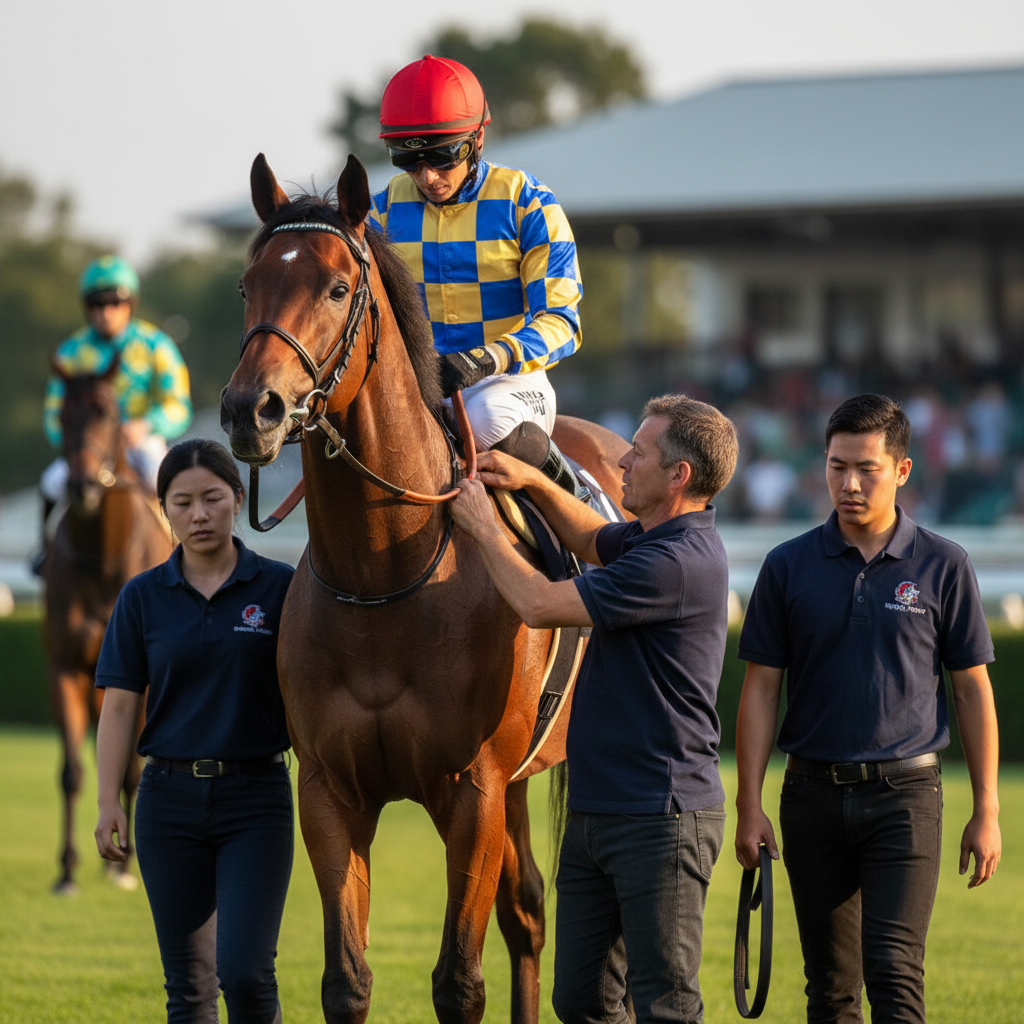
Paddock Handicapping: How to Read a Horse Before the Race Even Starts
Paddock Handicapping: How to Read a Horse Before the Race Even Starts
Most bettors make their decisions before they ever arrive at the track. They've studied the past performances, settled on their picks, and the paddock is just a place to grab a beer and watch the horses walk around.
That's a mistake.
The paddock is live information — real-time data that no racing form can give you. A horse's physical condition on race day can confirm your pick, give you pause, or occasionally save you from a bad bet entirely.
Here's what to look for.
Signs a Horse is Ready to Run
A Bright, Alert Eye
The eye is the window to a horse's competitive spirit. A horse that's ready to run will have a bright, attentive look — ears pricked forward, scanning the environment, engaged with its surroundings. This is a horse that knows something is about to happen and is mentally prepared for it.
A Good Coat
A horse in peak physical condition will have a coat that gleams in the light — smooth, clean, and almost iridescent. This reflects good health, proper nutrition, and a horse that's been well-cared for leading into the race.
Moving Freely and Fluidly
Watch how the horse walks. A horse that moves with long, fluid strides — head bobbing naturally, back swinging — is loose and physically ready. Choppy, stilted movement can indicate soreness or tension.
Calm and Focused Energy
There's a difference between a horse that's energetic and alert versus one that's frantic and uncontrollable. The best racehorses channel their energy. They may be prancing slightly, showing athletic tension, but they're manageable. That controlled energy often translates directly to a big effort on the track.
Warning Signs to Watch For
Excessive Sweating (Washy)
Some sweating is normal — horses sweat. But a horse that's lathered up heavily between the hind legs (called "being washy") or showing heavy sweat patches on the neck and flanks before the race is burning nervous energy it will need later. A washy horse often runs well below its figure potential.
Bucking, Rearing, or Fighting the Handler
A horse that's fighting its handlers, rearing repeatedly, or refusing to settle is wasting energy and is likely in a poor mental state for racing. These horses can still win — they're athletes — but the odds are lower.
Dull Coat and Flat Expression
The opposite of brightness: a horse with a dull, rough coat and a flat, disengaged expression is often telling you it's not at its best physically. This can result from illness, travel stress, or simply not being at peak fitness.
Head Carried Low, Reluctant Movement
A horse that plods around the paddock with its head low and shows no interest in its surroundings is often mentally checked out. These horses occasionally surprise, but they're not the ones you want to back at short odds.
Putting It Together
Paddock reading isn't a standalone handicapping tool — it's a confirmation layer. Use it to:
- Confirm your top pick — if it looks great, you can bet with more confidence
- Downgrade a horse — if your pick looks washy or off, consider reducing the bet or passing
- Upgrade a longshot — occasionally a lightly-regarded horse will look exceptional in the paddock, giving you reason to include it in exotics
It takes practice to develop a reliable eye, but even basic awareness of these signals puts you ahead of most bettors. Next time you're at the track, skip the beer line until after the paddock parade — your bankroll will thank you.
Want premium picks with higher confidence?
Upgrade to Premium
