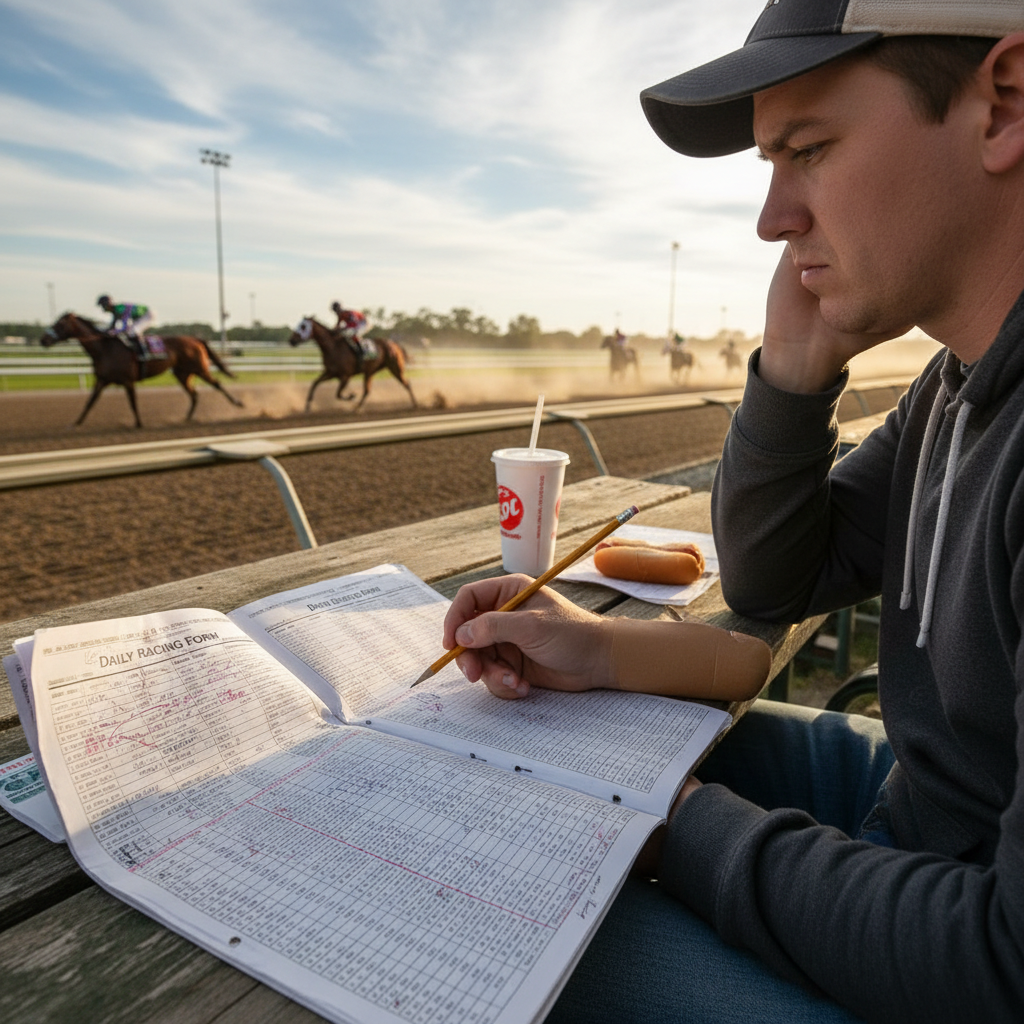
How to Handicap a Horse Race for Beginners
How to Handicap a Horse Race for Beginners
Handicapping is the art of analyzing horse races to find the most likely winner. It sounds complicated, but once you understand the basics, you'll be looking at races in a whole new way. Here's how to get started.
What is Handicapping?
Handicapping simply means studying the available information about horses, jockeys, trainers, and track conditions to make an educated guess about which horse will finish where. The goal isn't to find the sure winner — there's no such thing — but to find horses whose odds don't reflect their true chance of winning.
Step 1: Study the Past Performances
The most important tool in handicapping is the past performance (PP) sheet, available from Daily Racing Form (DRF) or Equibase. This shows you every horse's recent race history including:
- Finish positions in recent races
- Speed figures (a numerical score of how fast the horse ran)
- Class level (what level of competition the horse has faced)
- Trainer and jockey stats
Step 2: Look at the Class
Class is arguably the most important factor in handicapping. A horse dropping down in class (running against weaker competition) has a big advantage. Conversely, a horse moving up in class faces a tougher challenge.
Step 3: Check the Speed Figures
Speed figures (like the Beyer Speed Figure) translate a horse's performance into a single number. Higher is better. Look for horses that have posted figures higher than what they'll need to win today's race.
Step 4: Factor in Track Conditions
Some horses love the mud, others prefer firm turf. Always check the track condition — fast, sloppy, muddy, firm, or yielding — and see how each horse has performed under similar conditions.
Step 5: Consider the Jockey and Trainer
Top jockeys and trainers win at significantly higher rates. A horse trained by a barn that wins 20%+ of its starts has a statistical edge. Pay attention to trainer patterns — certain trainers excel with horses returning from a layoff or moving up in class.
Step 6: Watch the Odds
The morning line odds are set by the track's handicapper, but the actual odds are set by bettors like you. The goal is to find overlays — horses whose true winning chance is higher than their odds suggest.
Final Tip: Start Simple
Don't try to master everything at once. Start by focusing on just two factors — class and speed figures — and build from there. With practice, you'll develop your own handicapping style and instincts.
Welcome to the most exciting two minutes in sports! 🏇
Want premium picks with higher confidence?
Upgrade to Premium
