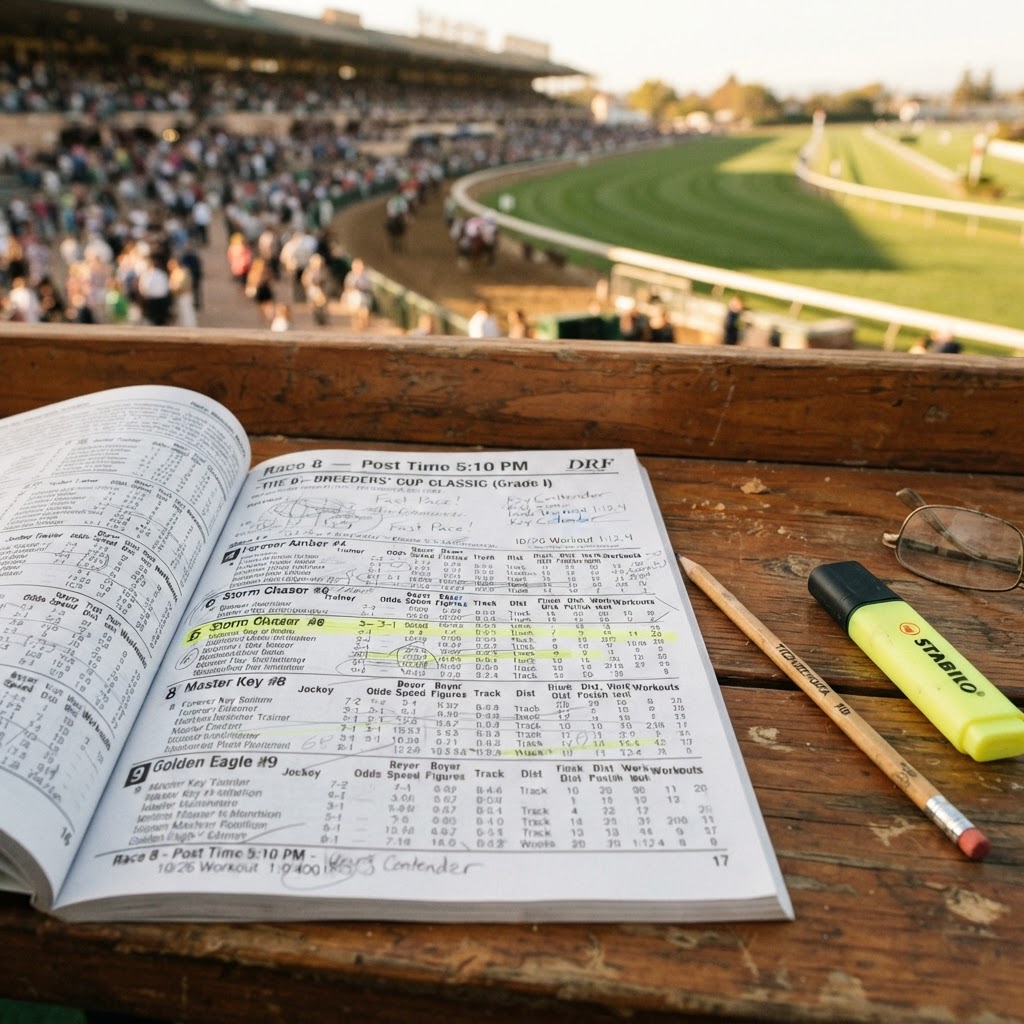
How to Read Horse Racing Forms for Beginners: A Complete Guide to Winning
Introduction to Racing Programs
Stepping into the world of horse racing can feel like deciphering an ancient language. If you have ever looked at a race program and seen nothing but a jumble of numbers, abbreviations, and symbols, you are not alone. Learning how to read horse racing forms for beginners is the most vital skill a fan can develop. Whether you are at the track for a fun day out or looking to make your first serious wager, understanding these data sheets—often called Past Performances or PPs—is the key to shifting from blind luck to informed decision-making.
The Anatomy of a Past Performance
At first glance, the information on a race form seems overwhelming, but it is actually highly organized. Each horse has a block of information detailing its previous outings.
Horse Identification
At the top of the block, you will find the horse’s name, age, color, sex, and breeding (sire and dam). This helps you understand the pedigree, which is crucial for determining if a horse will perform well on specific track surfaces like turf versus dirt.
The Past Performance Grid
This is the meat of the form. It lists the dates of previous races, track names, the type of race, and the final result. Key columns to watch include:
- Finish Position: Where the horse placed in the race.
- Speed Figures: These numbers reflect how fast the horse ran compared to the track average. Higher is usually better.
- Fractional Times: These show how fast the horse ran during different segments of the race.
Understanding Symbols and Abbreviations
As you master how to read horse racing forms for beginners, you will encounter a series of codes. For example, a lowercase 'd' might indicate a race run on dirt, while an 'L' often stands for Lasix, a common race-day medication. Mastering these shorthand codes allows you to scan a horse’s history in seconds rather than minutes.
Making Sense of the Jockey and Trainer Stats
Never ignore the human element. A horse is only as good as the partnership on its back.
Why Jockey Performance Matters
Look for the jockey's win percentage. If a jockey has a high winning streak on a specific track, they likely have a tactical advantage.
The Trainer’s Role
Trainers prepare the horse. Some trainers specialize in getting horses ready after a long layoff, while others excel with young horses. When learning how to read horse racing forms for beginners, check the trainer’s record for the current meet to see if they are in 'hot' form.
Practical Tips for Your First Bet
When you are ready to place your first wager, keep it simple. Look for horses that have been running consistently in the top three positions in their recent races. Avoid horses that haven't raced in over six months unless there is a clear indication they have been training well.
Conclusion
Reading a racing form is a skill that improves with every race you study. By focusing on the fundamentals—pedigree, recent speed, and the trainer-jockey connection—you will be well on your way to identifying value. Ready to put your knowledge to the test? Visit your local track or sign up for an online account today to practice your handicapping skills and join the thrill of the race!
Want premium picks with higher confidence?
Upgrade to Premium
